.png&w=128&q=75&dpl=dpl_5preXKsUXe2xH51Do4uDYJgrYHBv)
.png&w=96&q=75&dpl=dpl_5preXKsUXe2xH51Do4uDYJgrYHBv)
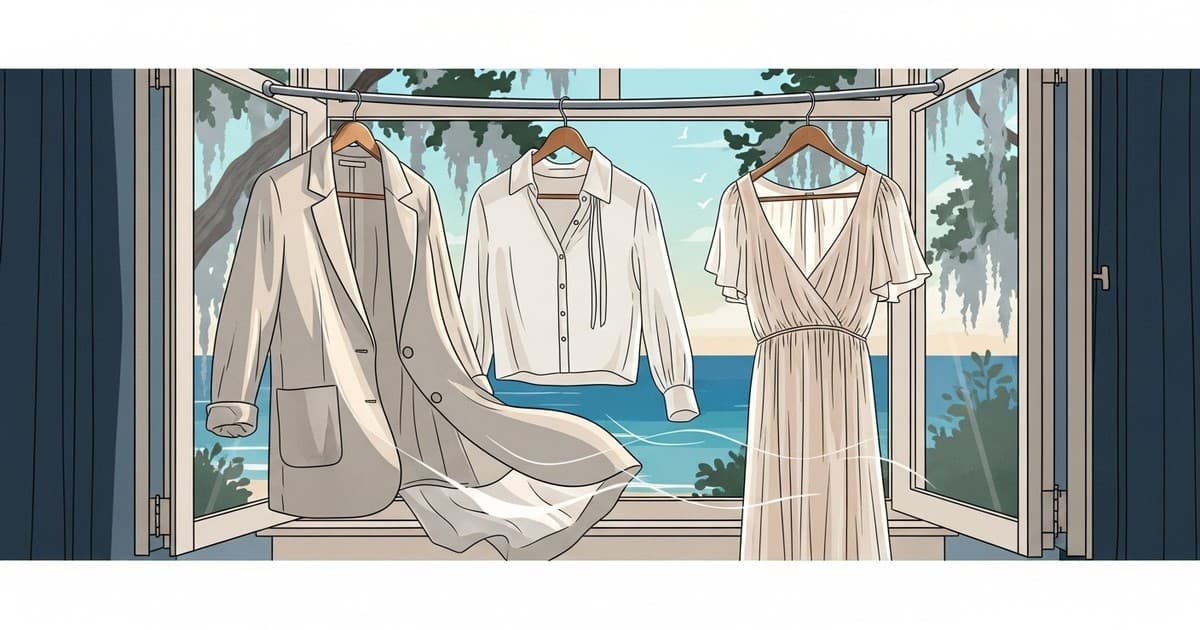
Spring in Savannah is one of the most beautiful times of year — azaleas blooming along Forsyth Park, warm breezes drifting through the squares, and the city buzzing with festivals, weddings, and outdoor gatherings. But Savannah's spring also brings a sharp rise in heat and humidity that can be surprisingly rough on your wardrobe. If you love wearing linen blazers, silk blouses, or lightweight chiffon dresses during this season, you already know that delicate fabric cleaning in Savannah requires a different kind of care. From the Historic District to Ardsley Park, our customers trust Best Cleaners — family-owned since 1910 — to protect their most beloved spring garments. Here's what you need to know.
Why Savannah's Spring Climate Is Hard on Delicate Fabrics
Savannah sits at the edge of the Georgia coast, and by April, the combination of rising temperatures and coastal humidity creates conditions that put real stress on natural and lightweight fibers. Humidity levels regularly climb above 70% during spring afternoons, and that moisture doesn't just make you uncomfortable — it works its way into fabric fibers, weakening them over time.
Humidity fabric damage is one of the most common issues we see at our locations. Moisture trapped in fibers creates the perfect environment for mildew, which can set into linen and silk within just 24 to 48 hours if garments are stored damp or in a poorly ventilated closet. Salt air carried in from the coast adds another layer of stress, as salt crystals can abrade delicate weaves and dull the natural sheen of silk and fine cotton.
UV exposure compounds the problem. Savannah's strong spring sun can bleach and degrade lightweight fabrics faster than you might expect, especially in pale or jewel-toned shades. The result: colors fade, fibers grow brittle, and your favorite spring pieces age prematurely. Understanding these local environmental factors is the first step in protecting your wardrobe.
Linen Care in Savannah: What Every Resident Should Know
Linen is the quintessential Savannah spring fabric — breathable, elegant, and perfectly suited to warm days in the Victorian District or an afternoon stroll near Forsyth Park. But linen care in Savannah requires more attention than most people realize. Linen wrinkles easily, shrinks when washed incorrectly, and can develop a stiff, rough texture if handled with the wrong detergents or water temperatures.
For everyday linen pieces — shirts, trousers, lightweight blazers — a gentle cold-water hand wash or a delicate machine cycle with a mild detergent can work for minor maintenance. But always lay linen flat to dry rather than hanging it, as wet linen stretches out of shape under its own weight. Never put linen in a hot dryer; heat causes significant shrinkage and can set wrinkles permanently into the weave.
For structured linen pieces like blazers, suit jackets, and tailored dresses, professional fabric cleaning is the safest route. Our team at Best Cleaners uses eco-friendly cleaning solutions specifically chosen for natural fibers, ensuring your linen emerges fresh, correctly pressed, and without damage. We've been caring for Savannah's finest garments for over a century — we know what works and what doesn't.
Silk Cleaning in Savannah, GA: Avoiding Costly Mistakes
Silk is gorgeous, but it is also one of the most unforgiving fabrics when care goes wrong. Silk cleaning in Savannah, GA is something we handle carefully and often — particularly around spring events like SCAD festivities, garden parties, and the city's vibrant wedding season. Silk can lose its luster, shrink, or develop water spots from even minor exposure to the wrong conditions.
At home, silk should never be machine-washed, even on a gentle cycle. The agitation alone can break down the protein fibers that give silk its signature drape and sheen. Hot water causes irreversible shrinkage. Many common detergents contain enzymes that actively digest the silk fiber. And perhaps most dangerously, rubbing a stain on silk — a natural instinct — can permanently distort the weave.
Dry cleaning is the gold standard for spring clothing care when silk is involved. Our professional process uses safe, non-aqueous solvents that remove oils, perspiration, and stains without exposing the delicate fibers to water stress. For silk blouses, dresses, scarves, and formal pieces, bring them to us after each season — or sooner if you notice any staining, yellowing, or loss of sheen. You can learn more about our full range of dry cleaning services to see how we handle silk and other specialty fabrics.
Lightweight Fabrics That Need Extra Attention This Spring
Beyond linen and silk, Savannah residents frequently wear a range of other lightweight spring fabrics that benefit from professional attention. Chiffon — popular in blouses, evening wear, and bridesmaid dresses — is extremely prone to snags and loses its shape if washed aggressively. Rayon and viscose look beautiful in spring prints but shrink dramatically with heat and moisture. Bamboo and Tencel blends are durable but can pill or develop discoloration if cleaned with the wrong products.
One fabric often overlooked is fine cotton voile — a semi-sheer weave used in spring blouses and beach cover-ups that's particularly popular in neighborhoods like Midtown and Starland. Voile is prone to developing yellowed underarm stains from the interaction of perspiration and certain deodorants, a common issue in Savannah's warm season. Professional spot treatment and gentle cleaning can reverse this damage before it becomes permanent.
For all of these fabrics, the guiding principle is the same: when in doubt, trust a professional. Our garment care tips for Savannah residents offer a solid starting point, but nothing replaces the expertise of trained fabric care specialists who understand how Savannah's climate interacts with your wardrobe.
The Real Impact of Humidity on Fabric Damage
Humidity fabric damage goes beyond the obvious mildew risk. Over time, elevated moisture levels cause natural fibers to weaken at the molecular level, shortening the life of even well-made garments. Cotton loses tensile strength, silk fades and becomes brittle, and linen develops an unpleasant musty odor that is difficult to eliminate once it sets in.
Proper storage is your first line of defense. Keep garments in a climate-controlled environment — ideally with a dehumidifier running during Savannah's most humid months, April through September. Breathable garment bags (cotton or muslin, not plastic) allow air circulation while protecting against dust and moisture. Never store spring clothes in a damp basement or a garage, even in sealed containers, as condensation can still find its way in.
Before packing away any delicate item for storage, have it professionally cleaned. Oils from your skin, perspiration residue, and even invisible food particles attract insects and accelerate fiber degradation over time. Our team can assess your spring pieces and help you prepare them for safe seasonal storage, so they emerge next spring looking just as fresh.
If you've already noticed signs of humidity damage — yellowing, musty smell, stiffness, or faded color — it's worth bringing pieces in for an evaluation. We've successfully restored many garments that customers assumed were ruined, using targeted treatments developed over more than a century of garment care experience. Our history of serving Savannah families means we've seen nearly every fabric challenge this climate can create.
Key Takeaways
- Savannah's spring humidity (regularly above 70%) causes mildew, fiber degradation, and fading in delicate fabrics within days if garments aren't properly cared for.
- Linen should be cold-washed gently and laid flat to dry; structured linen pieces benefit most from professional dry cleaning.
- Silk should never be machine-washed or rubbed when stained — dry cleaning is the safest and most effective care method.
- Lightweight fabrics like chiffon, rayon, and fine voile require gentle handling and professional cleaning to maintain shape and color.
- Store delicate spring pieces clean, in breathable garment bags, in a climate-controlled space to prevent humidity damage between wearings.
- Professional fabric cleaning extends the life of your favorite spring garments and protects your investment season after season.
Trust Best Cleaners for Professional Fabric Cleaning in Savannah
Since 1910, Best Cleaners has been Savannah's trusted partner for garment care — from everyday linen shirts to irreplaceable silk heirlooms. We use eco-friendly cleaning products that are safe for delicate fabrics and the environment, and our experienced team knows how to handle every fiber that Savannah's spring wardrobe demands. Whether you need a quick freshening before a garden party or a careful restoration of a cherished piece, we're here to help.
We offer same-day service on many garments, and free estimates are always available. Stop by either of our convenient locations:
- Waters Ave: 1002 Waters Ave, Savannah, GA 31404
- Abercorn St: 11434 Abercorn St, Savannah, GA 31419
Or give us a call at (912) 232-1171 to discuss your specific garment care needs. From Ardsley Park to the Victorian District to Midtown, we serve all of Savannah — and we'd love to help your spring wardrobe look its best.
Questions about delicate fabric care in Savannah? Call Best Cleaners at (912) 232-1171 or visit us at 1002 Waters Ave (Eastside) or 11434 Abercorn St (Southside).