.png&w=128&q=75&dpl=dpl_G72n5ckYKqQeiLDYBCfe3Kso2gTu)
.png&w=96&q=75&dpl=dpl_G72n5ckYKqQeiLDYBCfe3Kso2gTu)
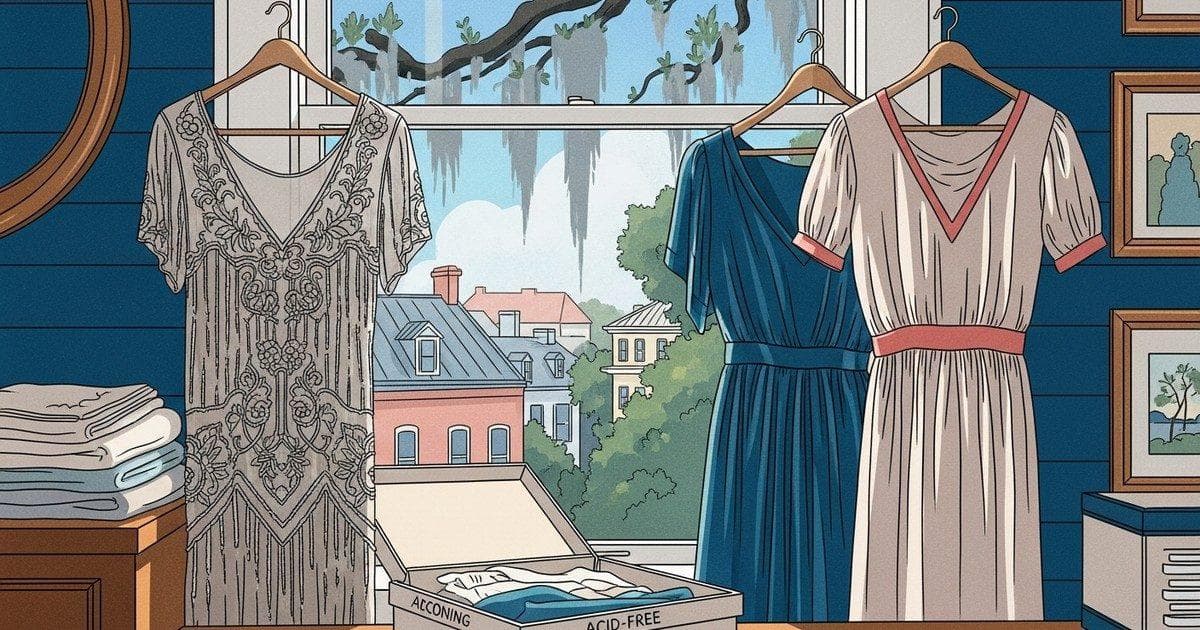
Savannah's Historic District and Victorian District are living museums. The cobblestone streets, antebellum mansions, and centuries-old squares aren't just architectural treasures—many residents are also guardians of equally storied vintage and antique textiles. From heirloom quilts passed down through generations to mid-century cocktail dresses discovered at estate sales on Jones Street, these fabrics deserve far more than ordinary laundry treatment.
Savannah's coastal climate, however, presents a unique challenge. The same humidity and salt air that make this city so atmospheric can quietly devastate natural fibers over time. Knowing how to care for vintage clothing in Savannah—and when to trust a professional—can mean the difference between preserving a piece for another century and watching it deteriorate in your closet.
At Best Cleaners Savannah, we've been caring for the city's most treasured garments since 1910. Here's everything every collector, antique enthusiast, and heritage-minded Savannahian should know about vintage clothing care in coastal Georgia.
Understanding What Makes Vintage Textiles Fragile
Vintage fabrics were made differently than modern textiles. Pre-1970s garments often feature natural fibers like silk, wool, cotton, and linen—materials that age beautifully when cared for properly, but can be irreparably damaged by heat, agitation, or the wrong cleaning agents. Many older dyes were not colorfast, meaning exposure to water or even indirect light can cause bleeding or fading that cannot be undone.
Structural elements also become vulnerable with age. Beading, embroidery, and hand-stitched details can loosen or dissolve if submerged improperly. Boning in vintage corsets and crinolines can rust and stain surrounding fabric. Velvet pile can become crushed beyond recovery if stored or cleaned without careful attention to the nap direction.
Before attempting to clean any vintage piece at home, always inspect all seams and closures for fragility, test any spot treatment on a hidden area first, and research the specific fiber content if possible. When in doubt—especially for anything with sentimental or monetary value—consult our specialist garment care team before proceeding.
Savannah's Climate: The Biggest Threat to Antique Fabrics
Living in coastal Georgia means contending with high humidity year-round. Savannah regularly sees relative humidity levels above 70%, particularly during spring and summer when the air feels almost tropical. For vintage textiles stored in closets, attics, or historic homes without modern climate control, this moisture creates ideal conditions for mold, mildew, and accelerated fiber degradation.
Historic homes in the Victorian District and along Bull Street often have less predictable indoor climates than newer construction. Older windows and exterior walls can allow moisture to seep in, making storage conditions variable from season to season. Even brief exposure to damp air can introduce mildew spores to natural fibers—and once mildew takes hold in antique linen or silk, reversal requires professional treatment and may not be fully possible.
Salt air compounds the problem for residents near Forsyth Park or the waterfront neighborhoods. Salt deposits that settle on fabrics accelerate fiber breakdown, particularly in wool and organic materials. If you've noticed a slightly musty or earthy smell in stored vintage pieces, that's often the first sign of humidity damage rather than simple age. Our guide on humidity and garment care in Savannah covers how Savannah's climate affects all fabric types—the same principles apply with even higher stakes to irreplaceable vintage pieces.
When to Call a Professional for Vintage Clothing Care
Not all vintage textile care should be attempted at home. There are clear situations where professional dry cleaning is the only responsible choice—and attempting home remedies on fragile antique garments often causes more damage than the original stain or soiling.
Seek professional care when:
- The garment is pre-1960, especially pre-World War II pieces
- The fabric is silk, velvet, taffeta, or heavily embellished with beading or embroidery
- There are visible stains of unknown origin—particularly oxidized or tannin-based stains
- The garment has significant sentimental or monetary value
- The piece shows existing fragility such as fraying seams, loose beading, or weakened stitching
- You can smell mildew or see any signs of mold growth
At Best Cleaners, our team uses specialized solvent systems and hand-finishing techniques developed for delicate and antique fabrics. Unlike standard dry cleaning suited for a modern suit, vintage garment care requires slowing down the process, individually assessing each piece, and handling it by hand throughout. Our cleaning process emphasizes preservation first and cleaning second—we will never rush a garment to save time.
We regularly care for pieces brought to us by collectors, estate managers, and residents throughout the Historic District and Victorian District, including everything from 1920s beaded evening gowns to mid-century wool winter coats sourced from Savannah estate sales.
How to Store Vintage and Antique Textiles in Savannah Homes
Proper storage is arguably more important than cleaning for antique textile preservation. Most damage to vintage garments occurs not from wear, but from years of improper storage conditions. In Savannah's climate, this is an especially critical consideration.
Creating the Right Environment
Aim for a consistent temperature between 60–75°F and relative humidity below 50%. In coastal Georgia, this almost always requires climate-controlled storage. A basement, attic, or screened porch is rarely appropriate, especially in older homes where moisture levels fluctuate widely between seasons. A spare bedroom or interior closet with a small dehumidifier is a far better option.
Avoid storing vintage garments in plastic bags or even the plastic covers from dry cleaners. Plastic traps moisture and off-gases chemicals that can yellow and weaken fabrics over time. Instead, use acid-free tissue paper for padding and breathable cotton garment bags for protection. Fold heavier items flat in acid-free archival boxes rather than hanging them, which can distort shoulder seams, stretch necklines, and stress delicate structures over years.
Smart Handling Habits
Always wash your hands before touching antique textiles. The oils and salts naturally present on skin transfer to fibers and can cause slow but irreversible deterioration over years of handling. Use clean white cotton gloves when working with extremely fragile pieces. When pressing is necessary, use the lowest heat setting appropriate for the fiber and always press through a clean damp press cloth—never apply a hot iron directly to vintage fabric.
Light is an underappreciated enemy of antique fabrics. Ultraviolet exposure—even from standard indoor lighting—causes dyes to fade and fibers to weaken over time. Store vintage pieces away from windows, and consider UV-filtering window treatments in any room where you display or store antique textiles regularly.
Common Vintage Fabric Types and How They're Cleaned
Different vintage fabrics require different approaches. Here's a quick reference for some of the most common materials found in Savannah estate sales, antique shops, and family collections:
Silk: Exceptionally beautiful but increasingly fragile with age. Silk becomes brittle over decades and should almost always be professionally cleaned. Never wring or twist vintage silk—even gentle hand washing with the mildest soap can cause tearing or fiber damage in aged pieces.
Wool: Generally more forgiving than silk but highly susceptible to moth damage and humidity-driven mildew in Savannah's climate. Store wool items with cedar blocks or lavender sachets, and air them briefly in low-humidity conditions before long-term storage. Professional cleaning once per season is ideal for frequently worn vintage wool.
Linen and Cotton: Among the most stable vintage natural fibers, but yellowing and oxidized staining are extremely common in aged pieces. Many antique linens and cottons can be professionally brightened and refreshed. Avoid bleach on aged cotton—it weakens already-fragile fibers and causes irreversible yellowing in some finishes.
Beaded and Embellished Garments: The embellishments are often far more fragile than the base fabric. Hand-beaded pieces from the 1920s and 1930s frequently lose beads when submerged in water, and the threads holding period embroidery can dissolve in standard cleaning solvents. These should always be professionally spot-cleaned or hand-finished with specialized techniques.
For more on caring for delicate fabrics throughout Savannah's warm seasons, our post on delicate fabric care for linen, silk, and lightweight materials offers additional seasonal guidance.
Key Takeaways
- Vintage fabrics require gentler, more specialized care than modern garments—always assess fragility before attempting any cleaning at home
- Savannah's high year-round humidity is the primary environmental threat to antique textiles stored in coastal Georgia homes
- Professional dry cleaning is the right choice for any pre-1960 piece, silk, velvet, beaded garments, or anything with meaningful value
- Acid-free storage in a climate-controlled space is the gold standard for long-term antique textile preservation
- Avoid plastic bags, heat, direct light, and agitation—these cause the most common and irreversible damage to vintage fabrics
- When in doubt, consult a specialist who understands garment preservation in Savannah's coastal climate
Preserving Savannah's Textile Heritage Since 1910
Savannah is a city that understands the value of preservation. From its protected squares to its lovingly maintained Victorian townhomes, this community takes genuine pride in honoring the past. The same care and reverence should extend to the garments and textiles that have dressed Savannah families through more than a century of history.
At Best Cleaners Savannah, we bring that preservation mindset to every garment we touch. Over 110 years of experience means our team has developed the expertise to handle the most delicate, rare, and irreplaceable pieces in the city. Whether you have an heirloom quilt, a vintage cocktail dress from Savannah's mid-century heyday, or an antique tablecloth that's been in the family for generations, we are here to help you care for it properly and confidently.
We offer free estimates for specialty and vintage cleaning services—our team is always happy to assess your piece before committing to any cleaning process, so you know exactly what to expect. Same-day service is available for select items, and we treat every garment, modern or antique, with the same hands-on attention.
Visit us at 1002 Waters Ave (serving the Eastside, Historic District, and surrounding neighborhoods) or 11434 Abercorn St (serving Southside Savannah and beyond). You can also reach us at (912) 232-1171—we'd love to help Savannah's most treasured textiles look their best for another generation.
Questions about vintage garment care in Savannah? Call Best Cleaners at (912) 232-1171 or visit us at 1002 Waters Ave (Eastside) or 11434 Abercorn St (Southside). Contact us online—we're always glad to help.